
This space highlights current initiatives, open calls, and emerging areas of work within the Educere network.
Below are some images and information about the most recent Alliance initiatives.

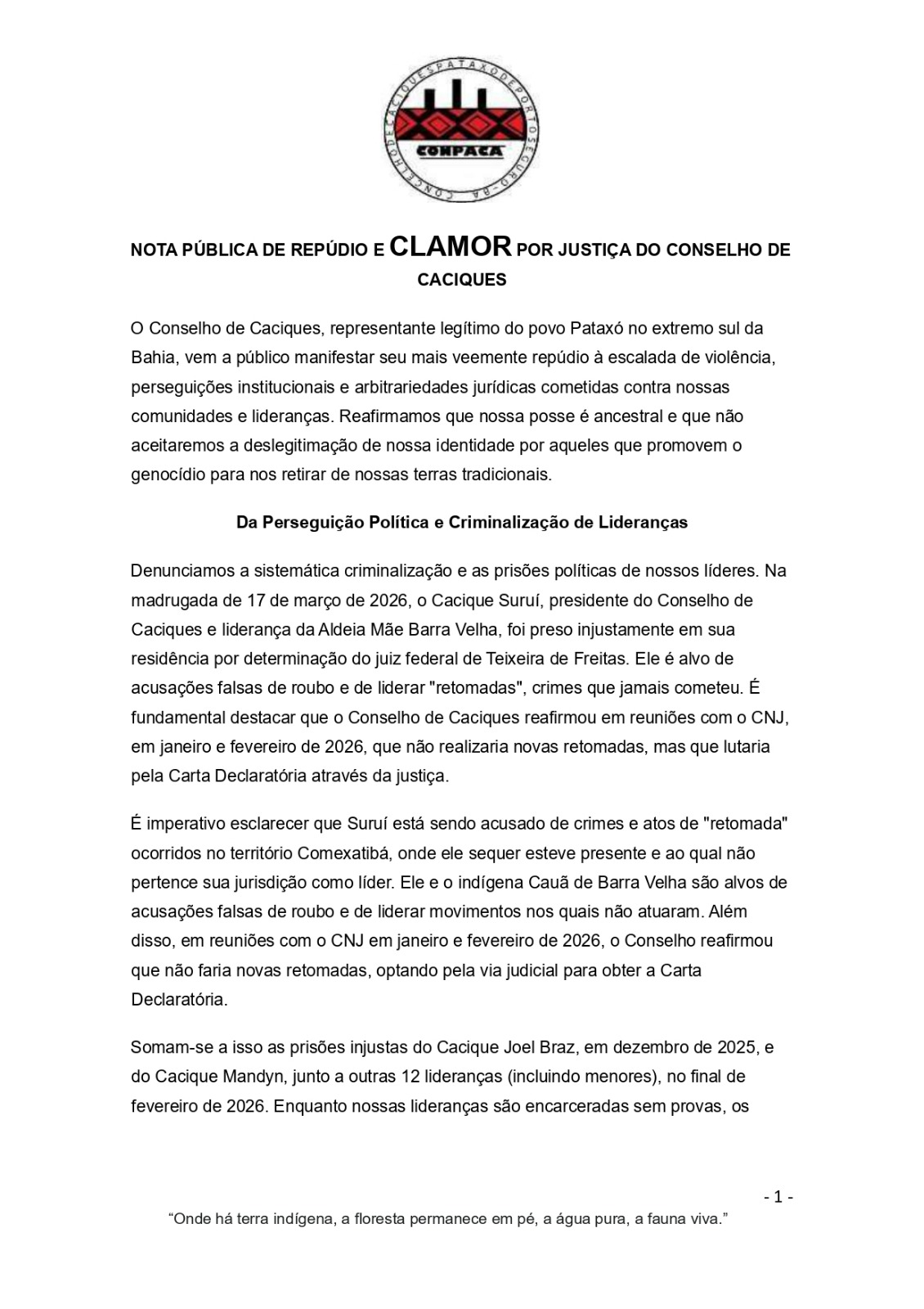
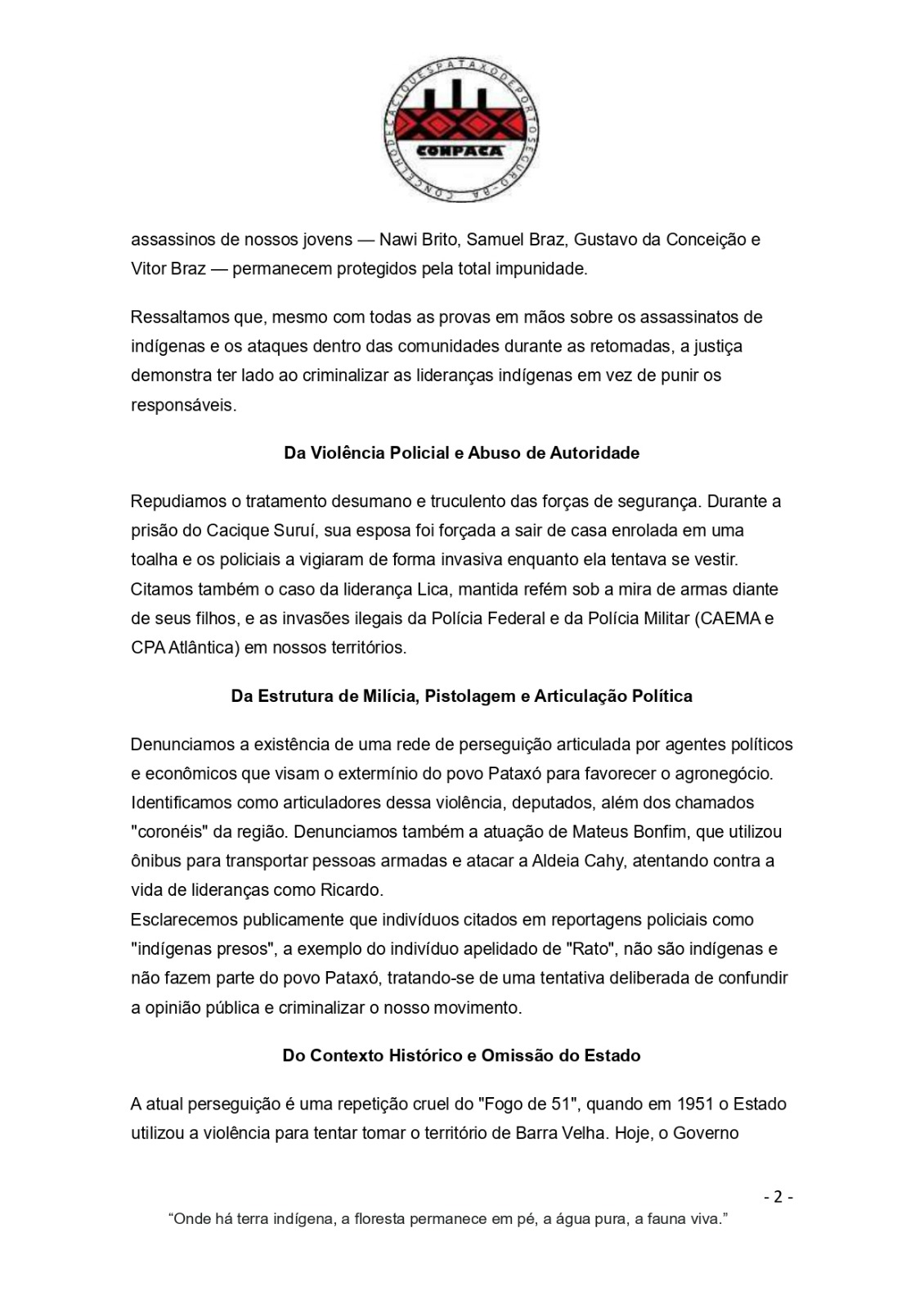
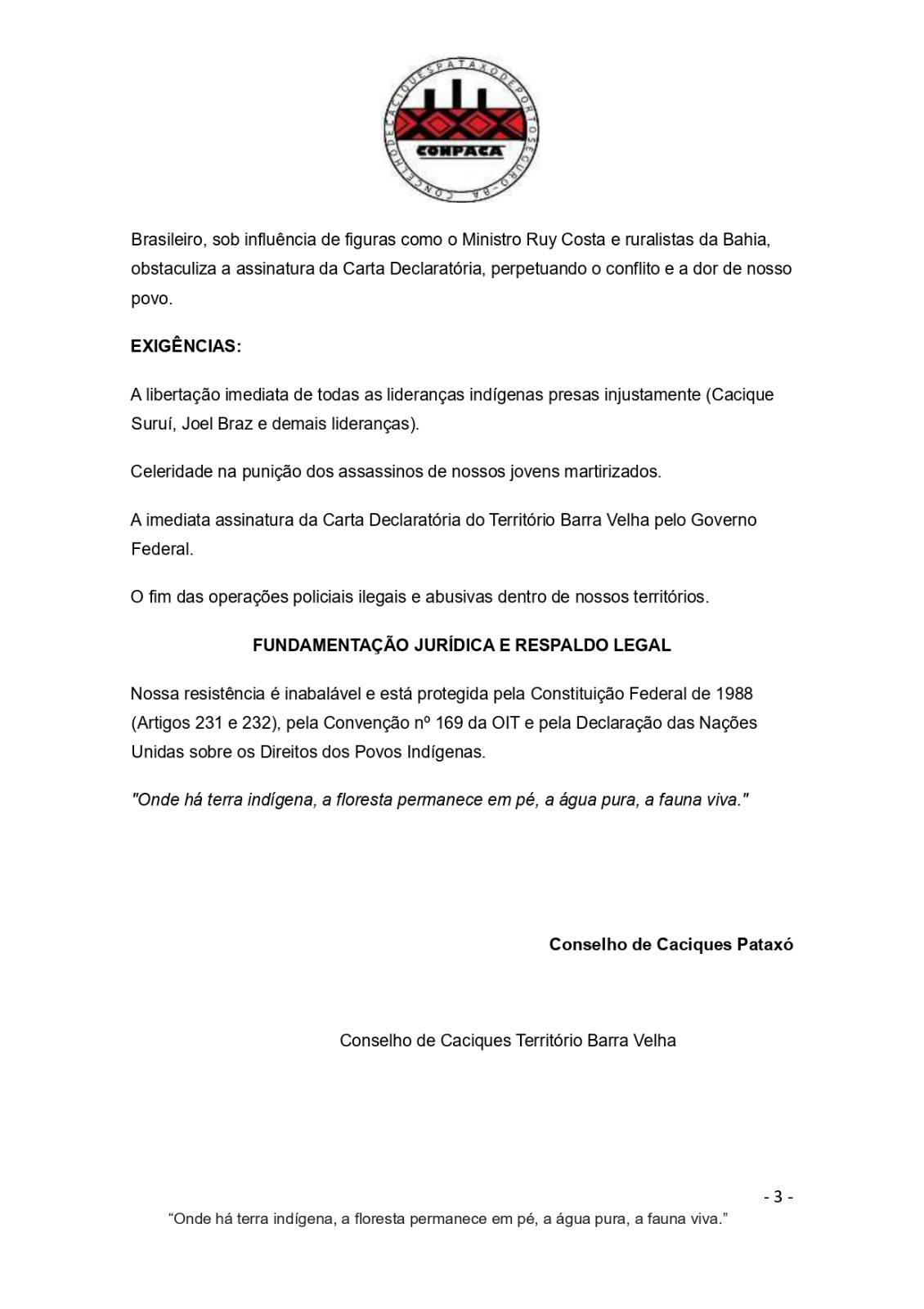
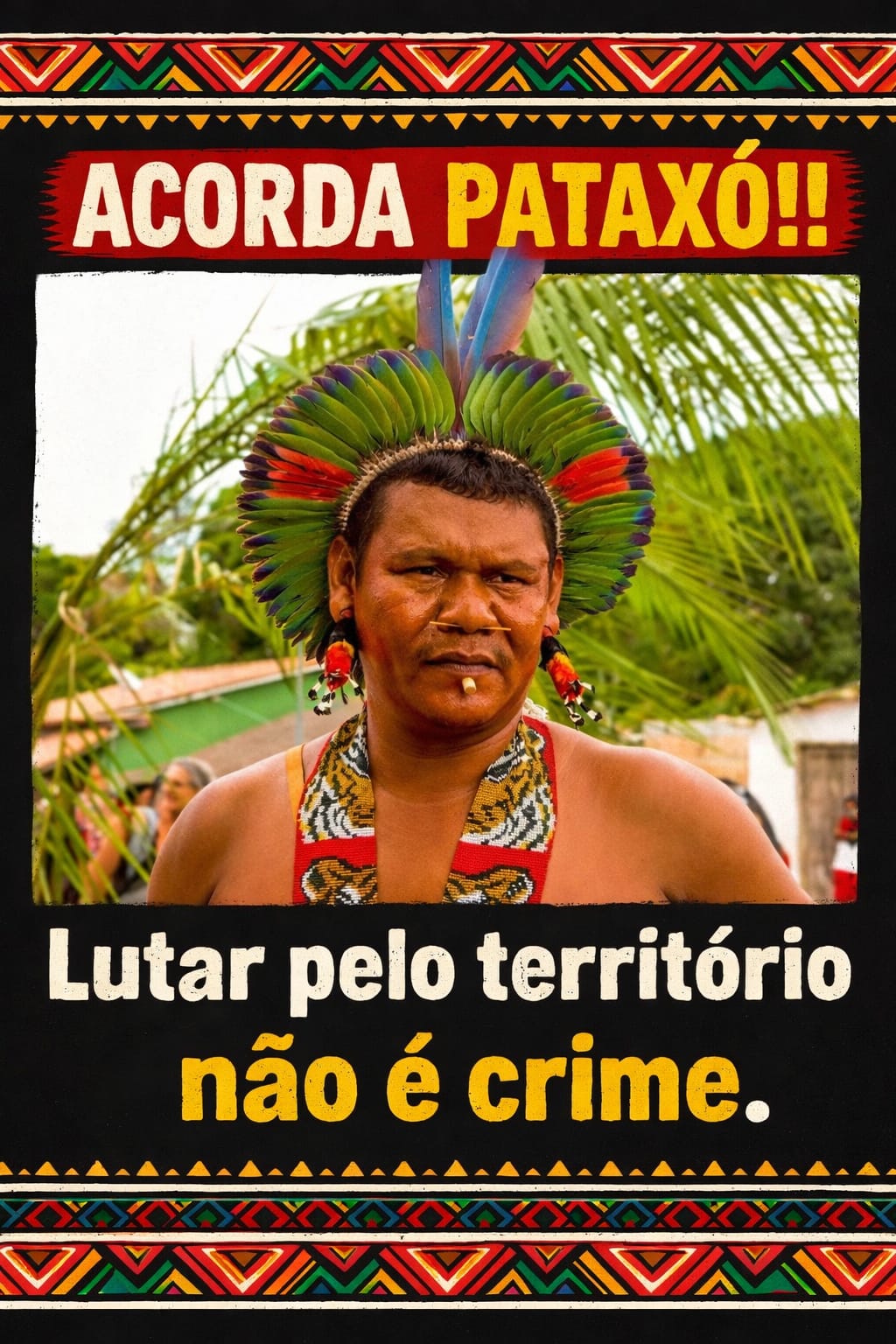
Network Member Dan Baron-Cohen issues a text denouncing the criminalisation of Pataxó leaders for their resistance against land dispossession. Original text in Portuguese found below. Find further information on the website here or contact Dan directly via email.
The Council of Caciques, legitimate representative of the Pataxó people in the far south of Bahia, comes forward publicly to express its most vehement repudiation of the escalating violence, institutional persecution, and legal arbitrariness committed against our communities and leaders. We reaffirm that our possession is ancestral and that we will not accept the delegitimization of our identity by those who promote genocide in order to remove us from our traditional lands.
On Political Persecution and the Criminalization of Leaders
We denounce the systematic criminalization and political imprisonment of our leaders. In the early morning of March 17, 2026, Cacique Suruí — president of the Council of Caciques and leader of the Mother Village of Barra Velha — was unjustly arrested in his home by order of the federal judge of Teixeira de Freitas. He is the target of false accusations of theft and of leading "retomadas" (land reoccupations), crimes he never committed. It is essential to point out that the Council of Caciques reaffirmed, in meetings with the National Council of Justice (CNJ) in January and February 2026, that it would not carry out new retomadas, but would instead pursue the Declaratory Charter through the courts.
It is imperative to clarify that Suruí is being accused of crimes and "retomada" actions that took place in the Comexatibá territory, where he was not even present and which does not fall under his jurisdiction as a leader. He and the Indigenous man Cauã, of Barra Velha, are targets of false accusations of theft and of leading movements they had no part in. Furthermore, in meetings with the CNJ in January and February 2026, the Council reaffirmed that it would not conduct new retomadas, opting instead for the judicial path to secure the Declaratory Charter.
In addition, there were the unjust arrests of Cacique Joel Braz in December 2025, and of Cacique Mandyn, along with 12 other leaders (including minors), at the end of February 2026. While our leaders are imprisoned without evidence, the killers of our young people — Nawi Brito, Samuel Braz, Gustavo da Conceição, and Vitor Braz — remain protected by total impunity.
We emphasize that, even with all the evidence in hand regarding the killings of Indigenous people and the attacks within communities during the retomadas, the justice system has shown itself to be biased — criminalizing Indigenous leaders instead of punishing those responsible.
On Police Violence and Abuse of Authority
We condemn the inhumane and brutal treatment by security forces. During the arrest of Cacique Suruí, his wife was forced to leave the house wrapped only in a towel while police watched her invasively as she tried to get dressed. We also cite the case of the leader Lica, held hostage at gunpoint in front of her children, and the illegal invasions of our territories by the Federal Police and Military Police (CAEMA and CPA Atlântica).
On the Structure of Militias, Hired Gunmen, and Political Coordination
We denounce the existence of a persecution network coordinated by political and economic actors seeking the extermination of the Pataxó people in order to benefit agribusiness. We identify as coordinators of this violence certain state legislators, as well as the so-called local "coronéis" (regional power brokers). We also denounce the actions of Mateus Bonfim, who used buses to transport armed men to attack Aldeia Cahy, endangering the lives of leaders such as Ricardo.
We publicly clarify that individuals referred to in police reports as "arrested Indigenous people," such as the individual nicknamed "Rato," are not Indigenous and are not part of the Pataxó people — this being a deliberate attempt to mislead public opinion and criminalize our movement.
On the Historical Context and the State's Negligence
The current persecution is a cruel repetition of the "Fire of '51," when in 1951 the State used violence in an attempt to seize the Barra Velha territory. Today, the Brazilian [Federal] Government, under the influence of figures such as Minister Ruy Costa and ranchers/agribusiness interests in Bahia, obstructs the signing of the Declaratory Charter, perpetuating the conflict and suffering of our people.
DEMANDS:
The immediate release of all Indigenous leaders unjustly imprisoned (Cacique Suruí, Joel Braz, and other leaders).
Speed in the punishment of the killers of our martyred youth.
The immediate signing of the Declaratory Charter of the Barra Velha Territory by the Federal Government.
An end to the illegal and abusive police operations within our territories.
LEGAL FOUNDATION AND SUPPORT
Our resistance is unshakable and is protected by the Federal Constitution of 1988 (Articles 231 and 232), by ILO Convention No. 169, and by the United Nations Declaration on the Rights of Indigenous Peoples.
"Where there is Indigenous land, the forest remains standing, the water pure, the wildlife alive."
Council of Caciques Pataxó
Council of Caciques of the Barra Velha Territory
"Where there is Indigenous land, the forest remains standing, the water pure, the wildlife alive."
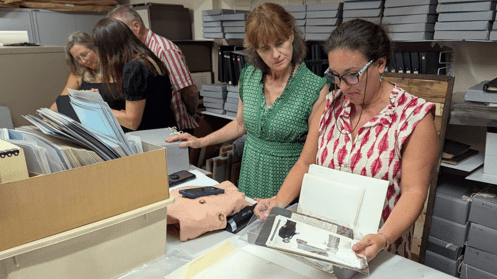
We are delighted to share that our project, Creative Encounters in the Wills Tobacco Archive, has been awarded UNESCO-MOST BRIDGES Validation in recognition of its innovative, transdisciplinary approach to cultural health and public health inequalities. Bringing together researchers, artists, Indigenous scholars, museum partners, and Hartcliffe community members, the project explores how colonial histories linked to tobacco continue to shape contemporary experiences of health inequity. The project reflects Educere’s commitment to collaborative, community-engaged research connecting heritage, wellbeing, and creative practice to support more just and sustainable futures. Read the full blog post here. Creative Encounters in the Wills Tobacco Archive: a project awarded UNESCO-MOST BRIDGES Validation – Primary Care Research & Teaching Blog
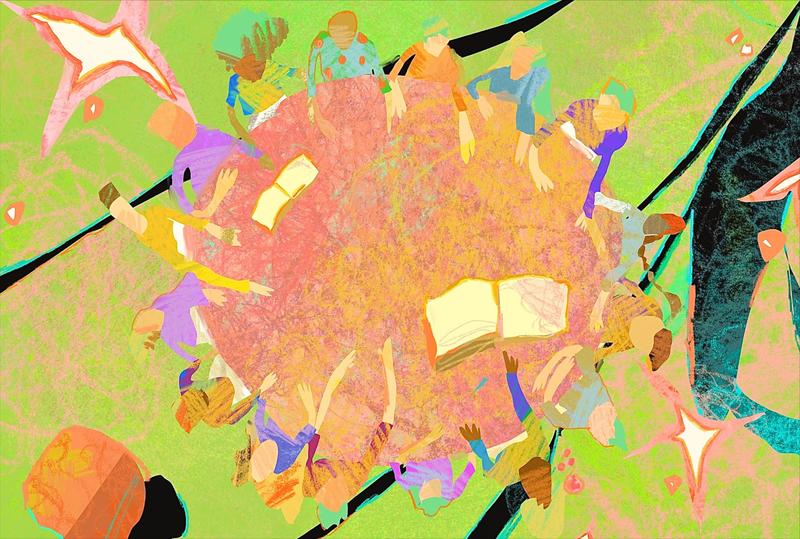
On Tuesday 12 May 2026, Educere Alliance Co-Convenor Elizabeth Rahman participated in the recent Access Dialogue hosted by Professor Penny Jane Burke, UNESCO Chair in Equity, Social Justice and Higher Education, at Newcastle University. The dialogue brought together international perspectives on educational access, social justice, equity, and evaluation, including important contributions from Pacific education contexts and higher education research communities.
The event provided an opportunity to discuss the recent Access special issue and to share reflections from the collaborative Waves article co-authored with colleagues working across higher education, equity, and socially engaged research. The discussion highlighted the importance of relational, community-engaged, and transdisciplinary approaches that challenge exclusionary systems and support more just and inclusive educational futures.
The dialogue also created an important space to introduce the work and ethos of the Educere Alliance within wider UNESCO-linked conversations around transformative education, collective responsibility, and social change. The dialogue also created space to highlight emerging areas of Educere Alliance work, including projects exploring the diversity of student experience and the question of what matters to students within contemporary higher education contexts. Read the related blog post and Waves article here.
Key Insights on Education for Planetary Futures is seeking rigorous, creative and interdisciplinary insights for this year’s edition of Key Insights on Education for Planetary Futures.
By weaving together insights from diverse knowledge traditions, we aim to reclaim the potential of education as a transformative force that challenges assumptions, rethinks systems, and co-create new pathways toward a thriving Earth. We are calling for a fundamental redesign of education as a space for reconnecting with the living world, fostering deep engagement and mobilising action toward ecological and social renewal.
Recognising that no single perspective holds the answer, we invite individual and networked groups of researchers, educators, activists, engaged citizens and policymakers to contribute their expertise and insights to help shape a comprehensive research-informed and wisdom-rooted vision for reimagining education in response to planetary challenges. We
If you are engaged in work that reimagines education for planetary futures, we invite you to share your contribution (in a short paragraph form) by April 30, 2025. All contributions will be curated for inclusion in the report, with due acknowledgment to contributors and with opportunities for collaborative writing and shared authorship of key insights.
The 2025 edition of Key Insights on Education for Planetary Futures will be launched in time for Climate Week NYC (September 19–26, 2025) and COP30 in Belém, Brazil (November 10–21, 2025)—providing a critical “year-in-review” of the most pressing and impactful contributions in education research related to planetary challenges.
Submit your insights here.
This initiative is led by Arizona State University (a collaboration between Julie Ann Wrigley Global Futures Lab and Mary Lou Fulton College of Teaching and Learning Innovation), the UNESCO-MOST BRIDGES Coalition, and G-FORCES, an NSF AccelNet-funded project that brings together a global network of networks, including SDSN USA, Mission 4.7, Learning Planet Alliance, CLEAN, ULRI, MECCE, Climate-U, RCE Dublin, ANPEd, DIMACS, in collaboration with the World Academy of Art and Science and the Club of Rome.
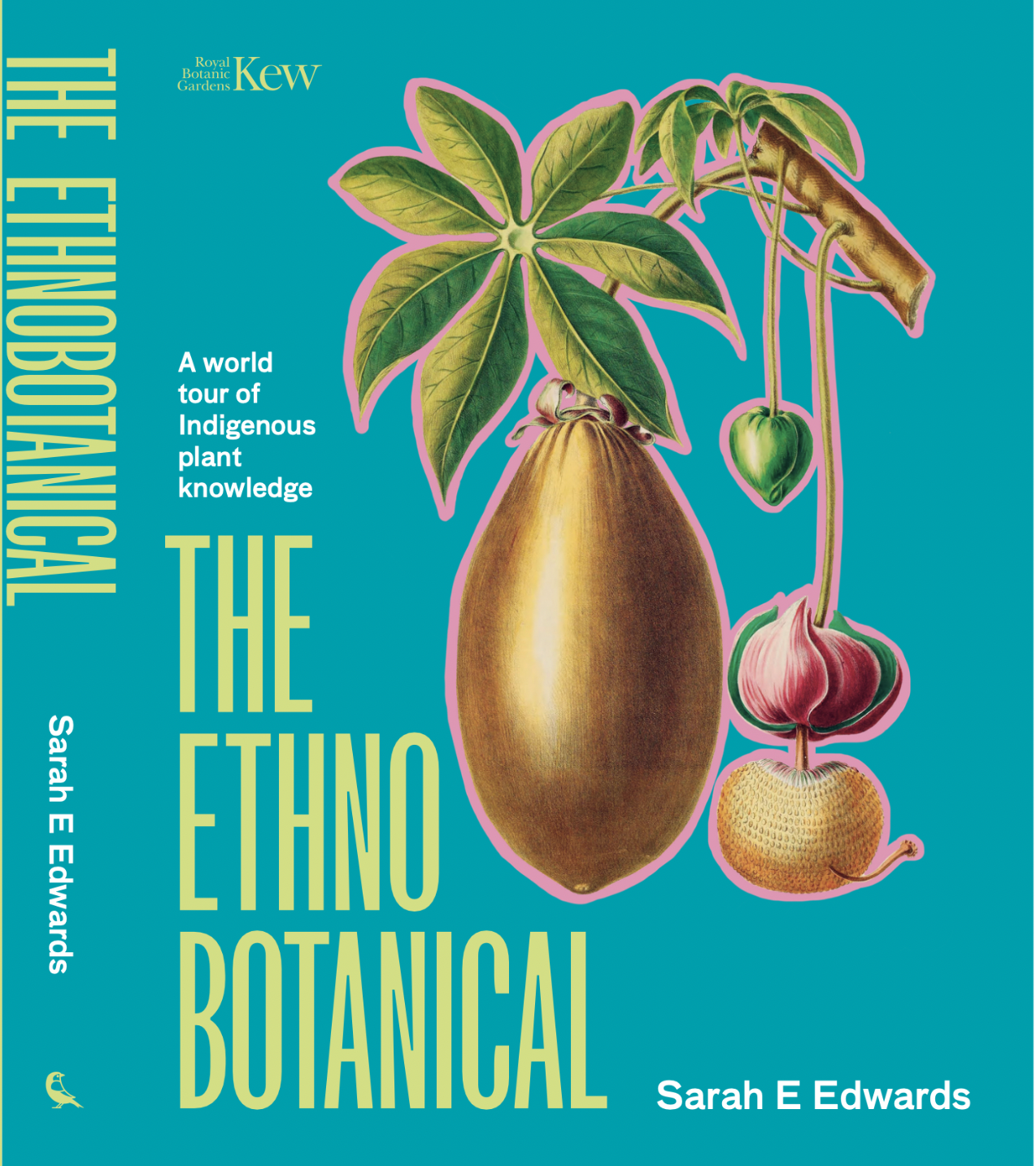
Oxford's forests became an unexpected classroom when three academics from different disciplines came together to tackle an increasingly recognised phenomenon: plant blindness. This innovative course, co-designed by Prof. Laura Rival (International Development and School of Anthropology), Dr. Sarah Edwards (Oxford Botanic Garden and Arboretum and author of "The Ethnobotanical: A World Tour of Indigenous Plant Knowledge"), and Dr. Elizabeth Ann Rahman, FHEA (Senior Evaluation Officer, Centre for Teaching and Learning), offered graduate students a unique opportunity to challenge their perceptual habits and explore human-plant relationships through multiple disciplinary lenses.
The course emerged from a shared concern about how post-industrial societies often overlook the plant world, despite our fundamental dependence on it. Drawing on anthropological perspectives on perception, botanical expertise, and innovative pedagogical approaches, the course took students out of traditional classroom settings and into Oxford's wooded areas for experiential learning.
"We wanted to create an environment where students could literally see the world differently," explains Dr. Rahman, who recently achieved Fellowship status with Advance HE (FHEA) in recognition of her contributions to higher education teaching and learning. "By combining anthropological theories of perception with botanical knowledge and mindfulness techniques, we created a truly transformative learning experience."
The course's structure was carefully crafted to build from theoretical foundations to direct experience. Beginning in an informal setting where students could openly discuss their expectations and previous experiences with plant life, the session progressed to guided woodland exploration. Here, students engaged in carefully designed activities that challenged their usual patterns of environmental perception.
Prof. Rival's expertise in environmental anthropology, Dr. Edwards' deep botanical knowledge, and Dr. Rahman's experience with experiential learning approaches came together to create what one student described as "an eye-opening experience that changed how I see the world around me."
The success of this interdisciplinary collaboration suggests new possibilities for teaching environmental awareness in higher education. By bringing together scientific knowledge, cultural understanding, and embodied learning, the course offers a model for how universities can address contemporary environmental challenges while fostering deeper connections between students and the natural world.
This innovative approach to teaching and learning continues to evolve, with plans to offer the course to future cohorts of graduate students at Oxford, potentially expanding to include undergraduate opportunities as well.
Loyola Apikilti ("a-pee-kill-TEE") is a beekeeping club at St Ignace ("in-YAS") de Loyola school, in Bedou (bed-DOO), Haiti. Students learn to produce honey while caring for the bees, planting trees, and making friends; they also make videos to teach others about beekeeping which can be found on YouTube.
'During the months of July to October, there aren't many flowers in our area, so the bees are too hungry to lay eggs or make honey. When that happens, we have to feed them, so the bee colony won't diminish or leave the hive for somewhere else.To make the food, we use two parts sugar for one part boiling water. We stir it so that it is completely dissolved. Then, we let it cool down, until it cools to 60 degrees C. This is important, because if the temperature is higher than 60 degrees, the sugar will undergo a chemical change, and it can kill the bees. Finally, we pour the sugar water into gallon jugs, so we can bring it to the apiary as needed. At the same time, we are planting plenty of trees, especially trees that blossom in the off-season. That way, a few years from now, the bees will have plenty of flowers all year round. Not only will we no longer need to spend money and effort making sugar water, we will also have more honey to harvest throughout the year.'

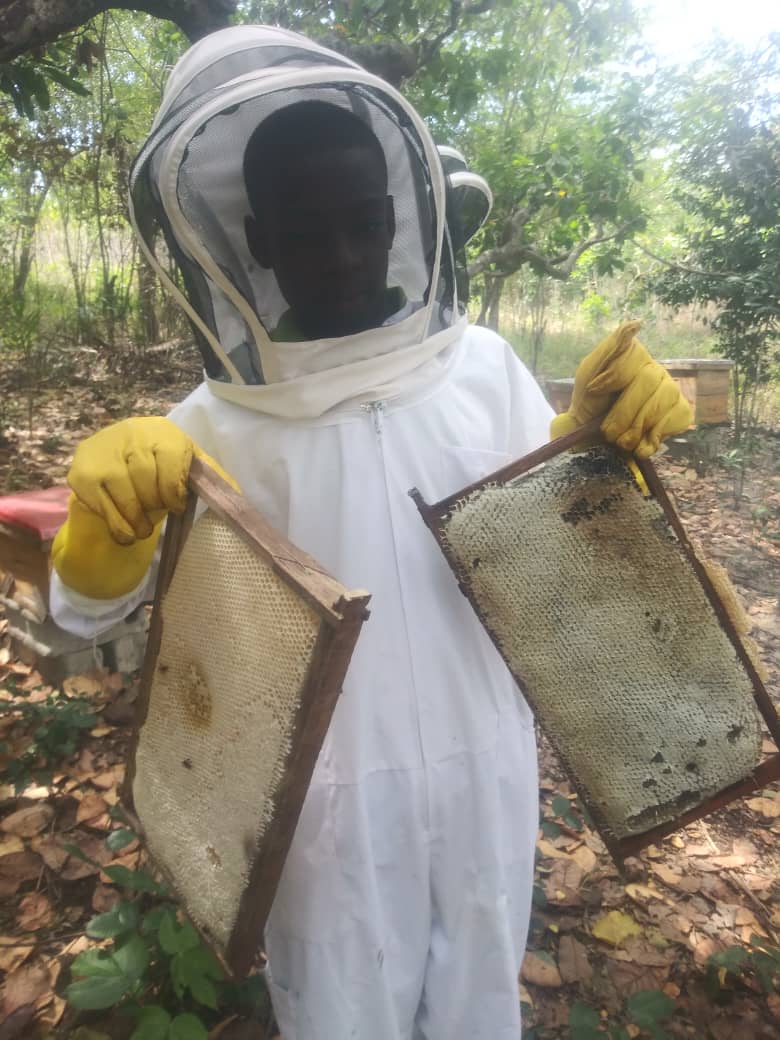
Beekeeping in Haiti, Loyola Apikilti.
Harvesting honeycomb from the frames.
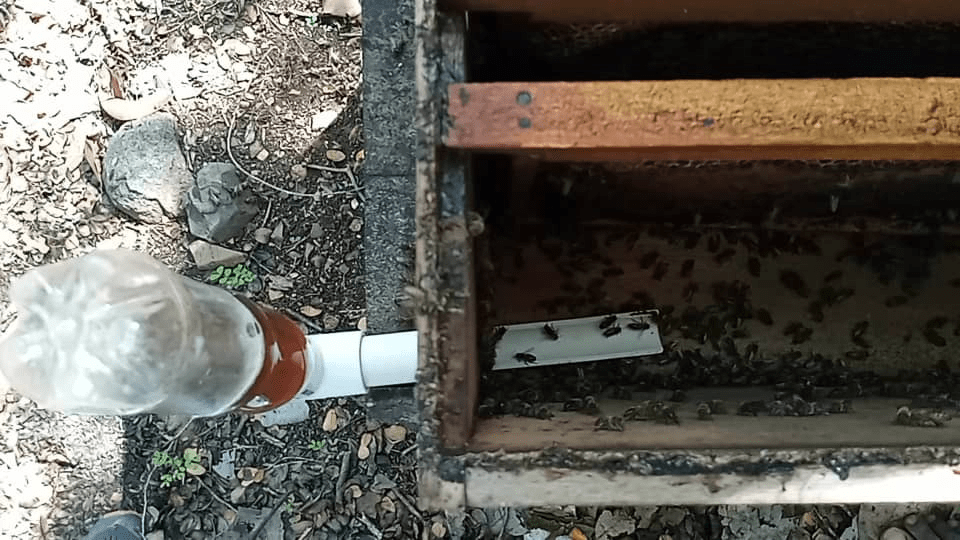
Caring for the bees when the landscape can't provide. Sugar water is drip fed into the hive to help them during the difficult months.
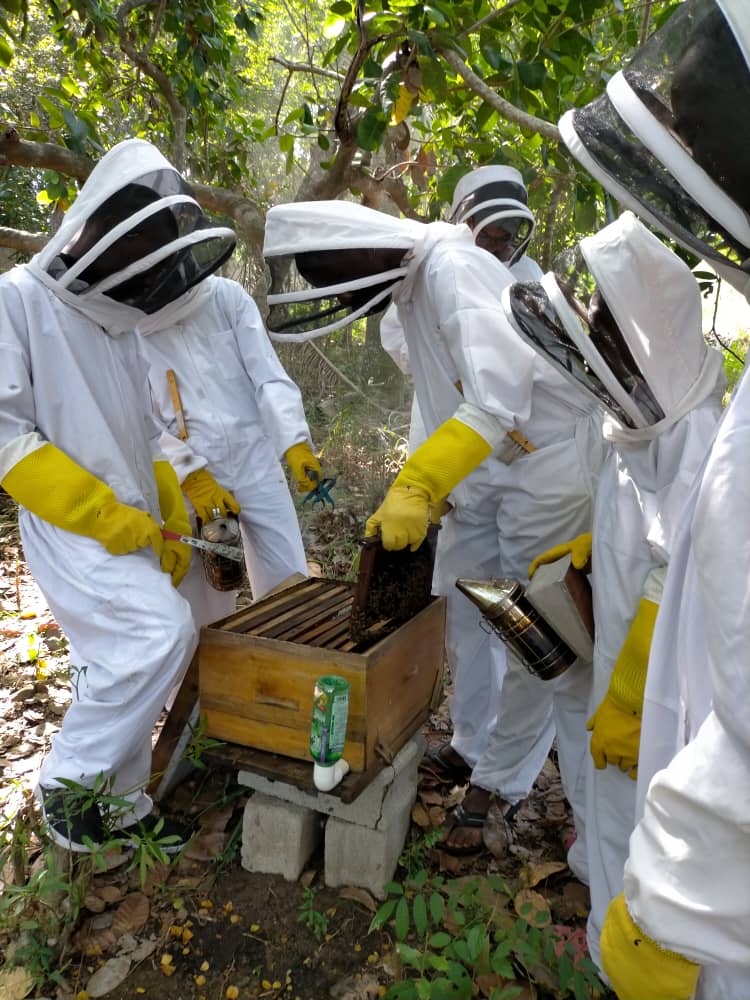
Gently checking the hives. Working together with the bees.
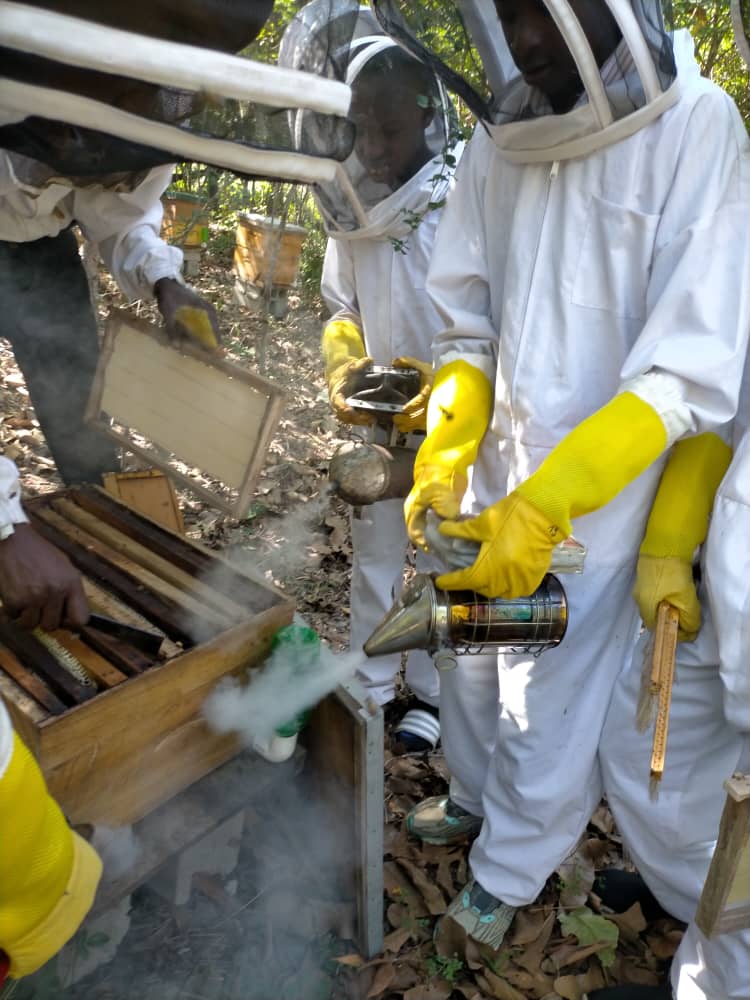
We use a mix of local leaves to produce the smoke we need to subdue the bees so that they don't get hurt.
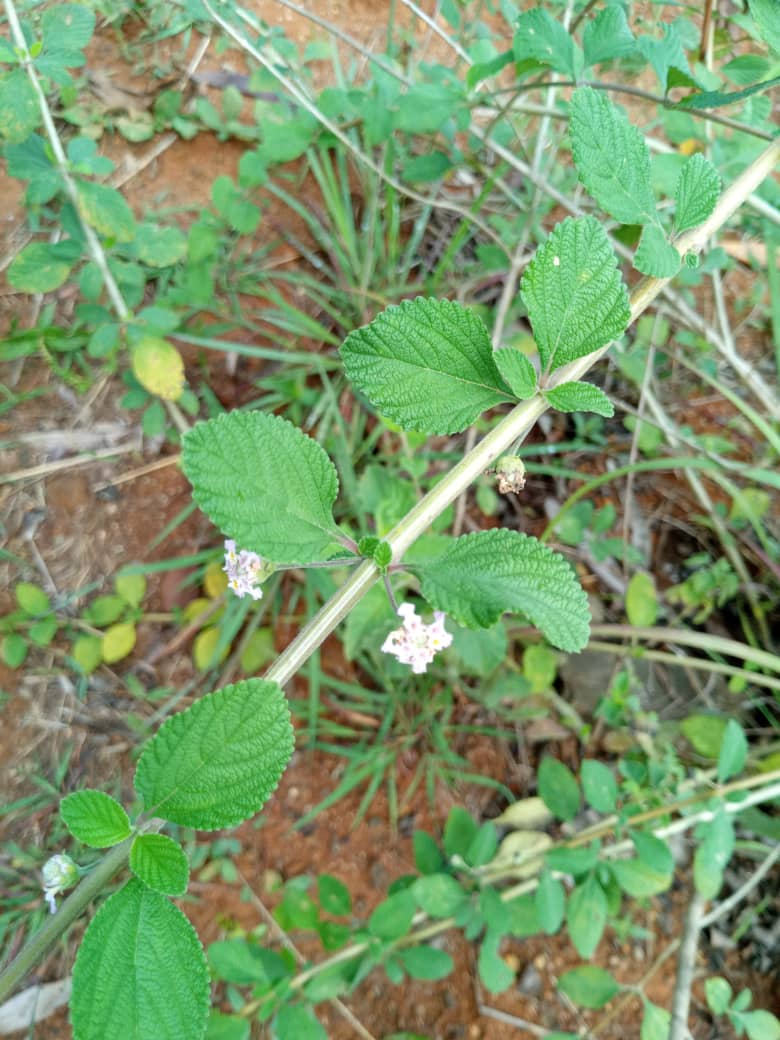
Lemon balm - one of the leaves we use for smoking.
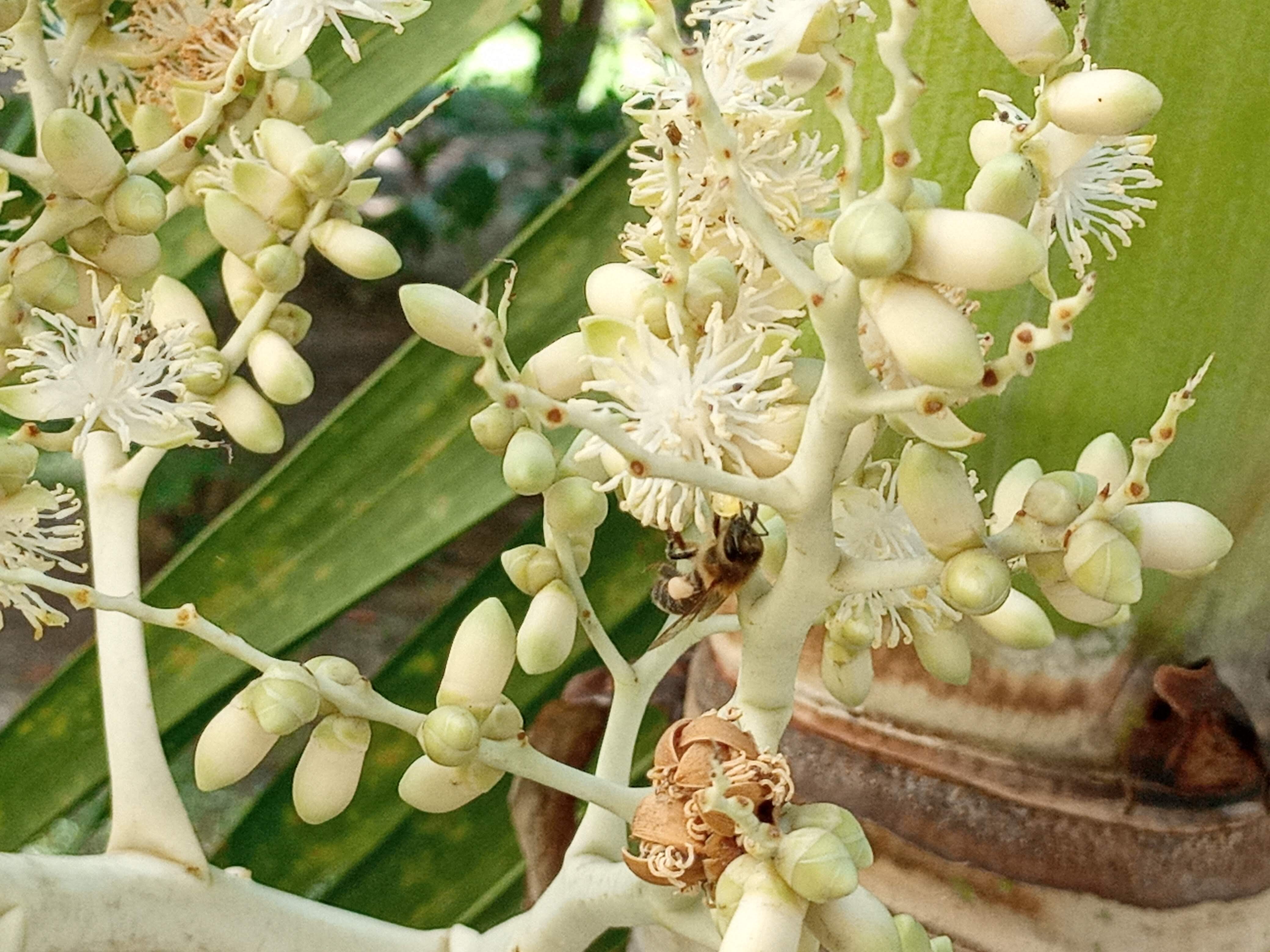
A bee gathering pollen from palm tree flowers.
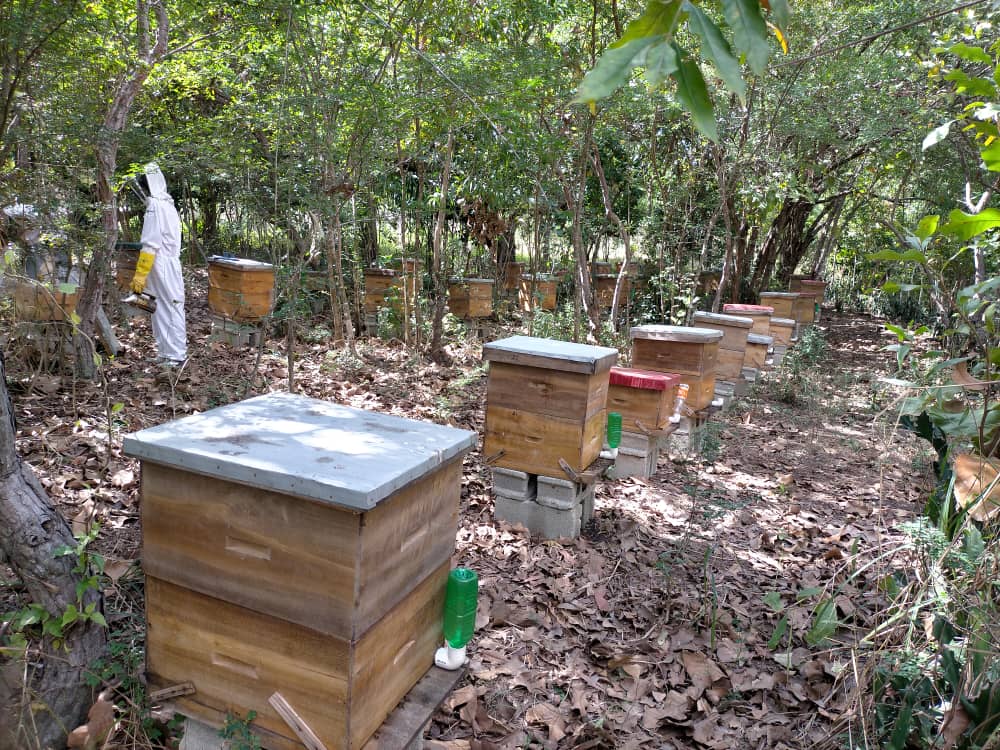
The apiary we made and look after.
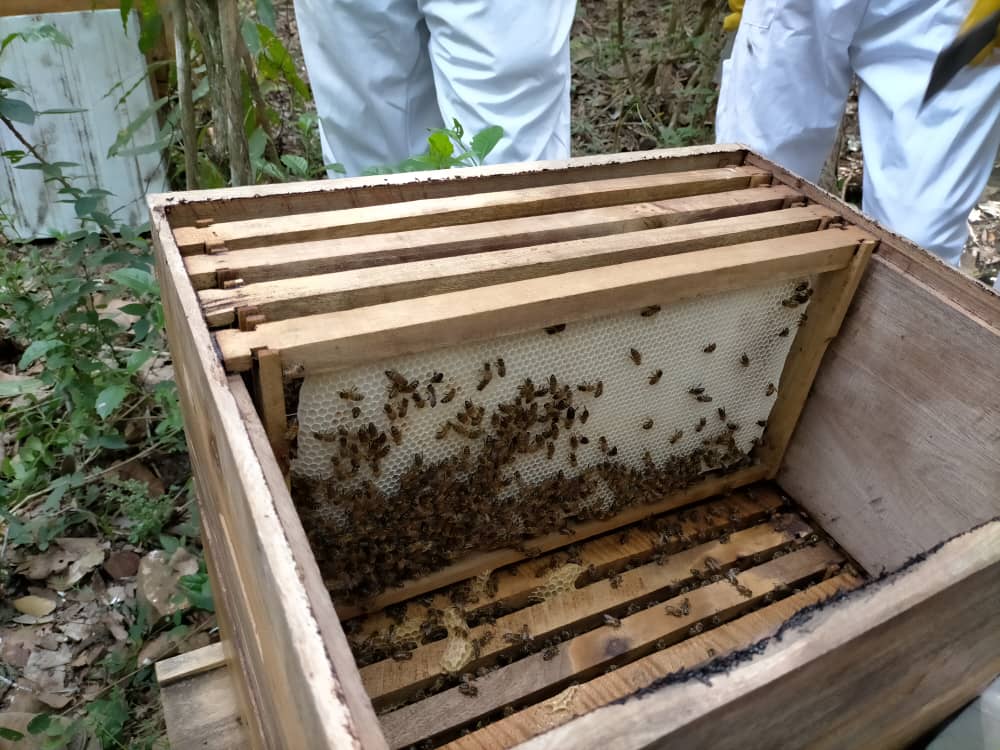
Inside one of the beehives.
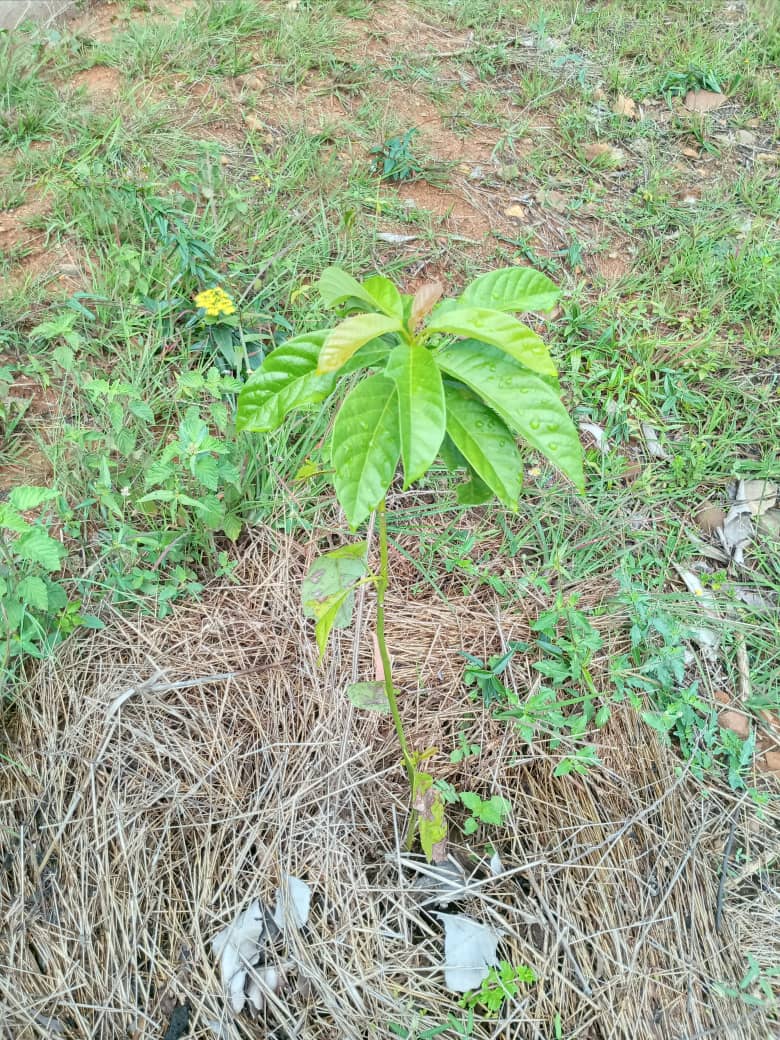
A tree sapling we planted.
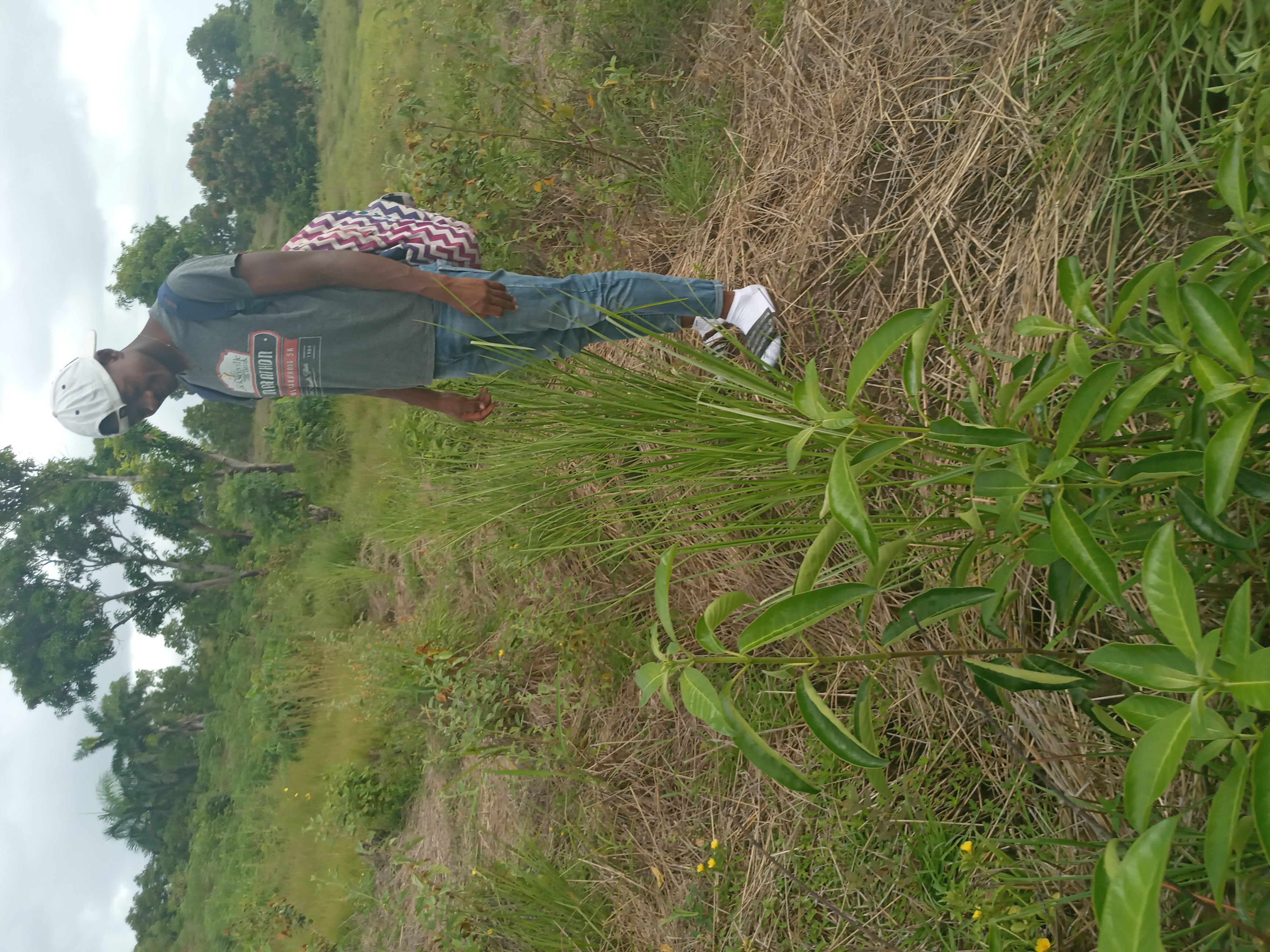
Our trees growing nicely after the rains.
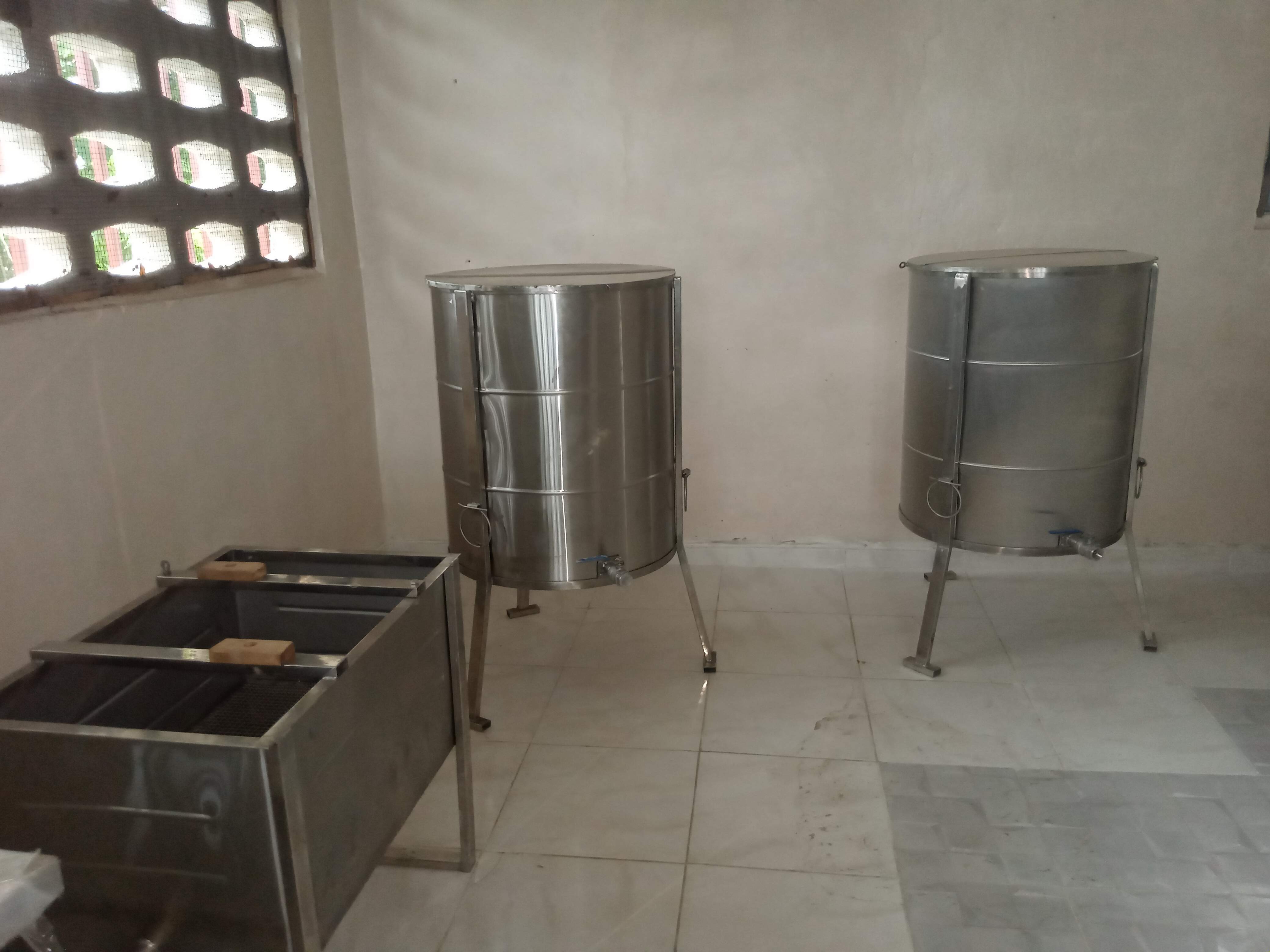
The honey processing centre.
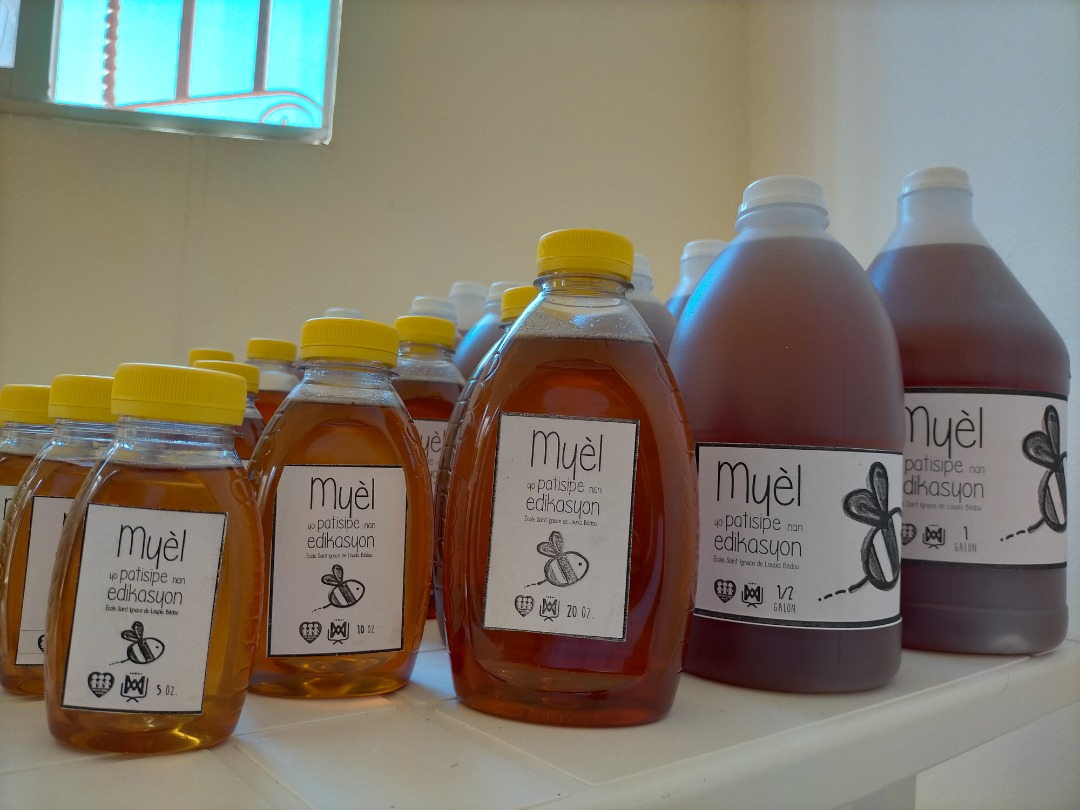
HONEY!
Beekeeping in Haiti, Loyola Apikilti.
Harvesting honeycomb from the frames.
Caring for the bees when the landscape can't provide. Sugar water is drip fed into the hive to help them during the difficult months.
Gently checking the hives. Working together with the bees.
We use a mix of local leaves to produce the smoke we need to subdue the bees so that they don't get hurt.
Lemon balm - one of the leaves we use for smoking.
A bee gathering pollen from palm tree flowers.
The apiary we made and look after.
Inside one of the beehives.
A tree sapling we planted.
Our trees growing nicely after the rains.
The honey processing centre.
HONEY!